
renewal · post-license · deadlines
Your First Real Estate License Renewal Is Different
New licensees often plan for ordinary continuing education and miss the larger first-cycle requirement. In Florida, that mistake can make the license null and void.

By Gabriel Giner, Editor · Published
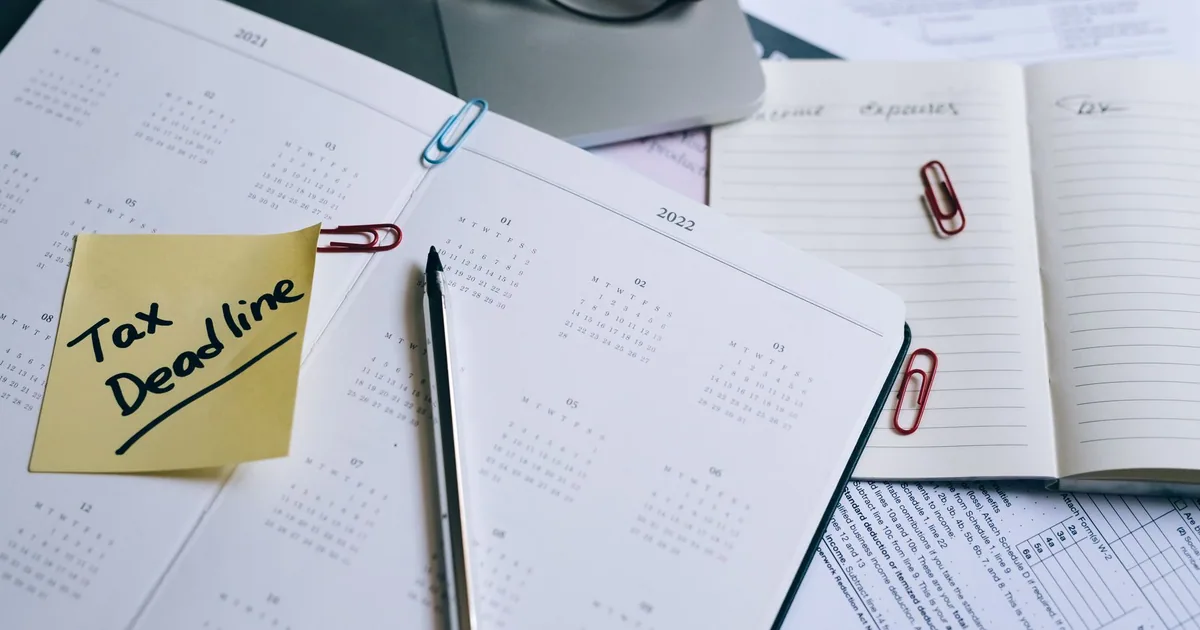
The education advertised on a renewal postcard may be wrong for a first-time licensee. Several states impose a larger post-license or apprentice-education block during the initial term, then switch the licensee to ordinary continuing education. The consequence of missing it ranges from inactive status to starting the entire licensing process again.
Florida: 45 hours or null and void
A Florida sales associate must complete 45 hours of FREC-approved post-license education before the initial license expires. Brokers owe 60. The Florida Real Estate Commission states that failure makes the license null and void. This is not the ordinary 14-hour biennial CE program and not a late-fee problem. To return, a void sales associate generally requalifies through pre-license education and the state exam.
The rule applies whether the license is active or inactive. Florida’s initial expiration may also be shorter than a clean two years because licenses expire on the state’s cycle. Read the date printed on the credential rather than counting 24 months from the exam.
Texas: 270 total qualifying hours at first renewal
Texas starts sales agents with 180 hours in six qualifying courses. For the first renewal, TREC requires a total of 270 qualifying hours, so most licensees need another 90. A 30-hour Real Estate Brokerage course is part of that additional block, and the required Legal Update I and II courses also apply. TREC’s first-renewal instructions apply to active and inactive sales agents.
Do not buy an ordinary 18-hour CE package and assume it covers SAE. Confirm what is already posted to the TREC education record, submit any certificates early enough to be matched, and remember that first-renewal SAE is not the same as later-cycle CE.
Georgia: 25 post-license hours in the first year
Georgia requires a new salesperson to complete a Commission-approved 25-hour Sales Postlicense course within one year of original issuance. The course is different from the 75-hour prelicense course and includes its own examination. Georgia regulations provide only a limited hardship-extension route; do not build a schedule around receiving one.
The first-year date can arrive before the normal license-renewal date. Treat it as its own compliance deadline. Georgia also requires ongoing continuing education, but the 25-hour post-license course is the immediate task.
Illinois: 45 post-license hours for new brokers
Illinois calls its entry credential broker, not salesperson. A newly licensed broker must complete the state’s 45-hour post-license curriculum in the first renewal period. IDFPR lists approved pre-license/post-license providers and courses on its Real Estate Brokerage page. Buying the later-cycle 12-hour CE package does not substitute for the 45-hour first-renewal curriculum.
North Carolina: 90 hours within 18 months
A North Carolina provisional broker must complete three 30-hour courses—Broker Relationships and Responsibilities, Contracts and Closing, and NC Law, Rules, and Legal Concepts—within 18 months after initial licensure. NCREC says the provisional license goes inactive when the deadline is missed and stays inactive until the deficiency is cured. The 18 months runs from initial licensure even if the broker never activated the license.
That postlicensing requirement is separate from annual renewal and continuing education. North Carolina licenses renew by June 30 each year; CE is due by June 10 when applicable. Newly licensed brokers receive a limited first-year CE treatment, but that does not extend the 18-month postlicensing clock.
California, New York, and Pennsylvania use different first cycles
California does not impose a separate post-license block; first-time salesperson renewal uses 45 hours of DRE-approved continuing education within the four-year term, with required subject categories. New York uses its 22.5-hour continuing-education mix during the two-year cycle rather than a Florida-style post-license course. Pennsylvania says CE is not required for the initial license itself; standard licensees then complete the Commission’s biennial requirement when renewing. Always verify which renewal period your issue date places you in.
Inactive does not mean paused
This is the most expensive misconception. Inactive status prevents licensed practice. It often does not stop education or expiration clocks. Florida explicitly applies post-license education to active and inactive associates. Texas SAE applies at first renewal regardless of active status. North Carolina calculates 18 months from the issue date. A license left in a drawer can still become void or educationally deficient.
Build a renewal file on issuance day
- Download the license record and note the actual expiration date.
- Identify whether the first cycle uses post-license, SAE, postlicensing, or ordinary CE.
- Verify the course in the regulator’s approved directory.
- Schedule completion at least 30 days before the deadline.
- Keep the certificate and check that the provider reported it.
- Confirm the public license status after renewal; a payment receipt alone is not approval.
A calendar reminder is cheaper than relicensing. The state guides separate first-cycle education from ordinary renewal so you can plan both before the license issues.